**Mastering Your Budget: A Guide to Financial Freedom**
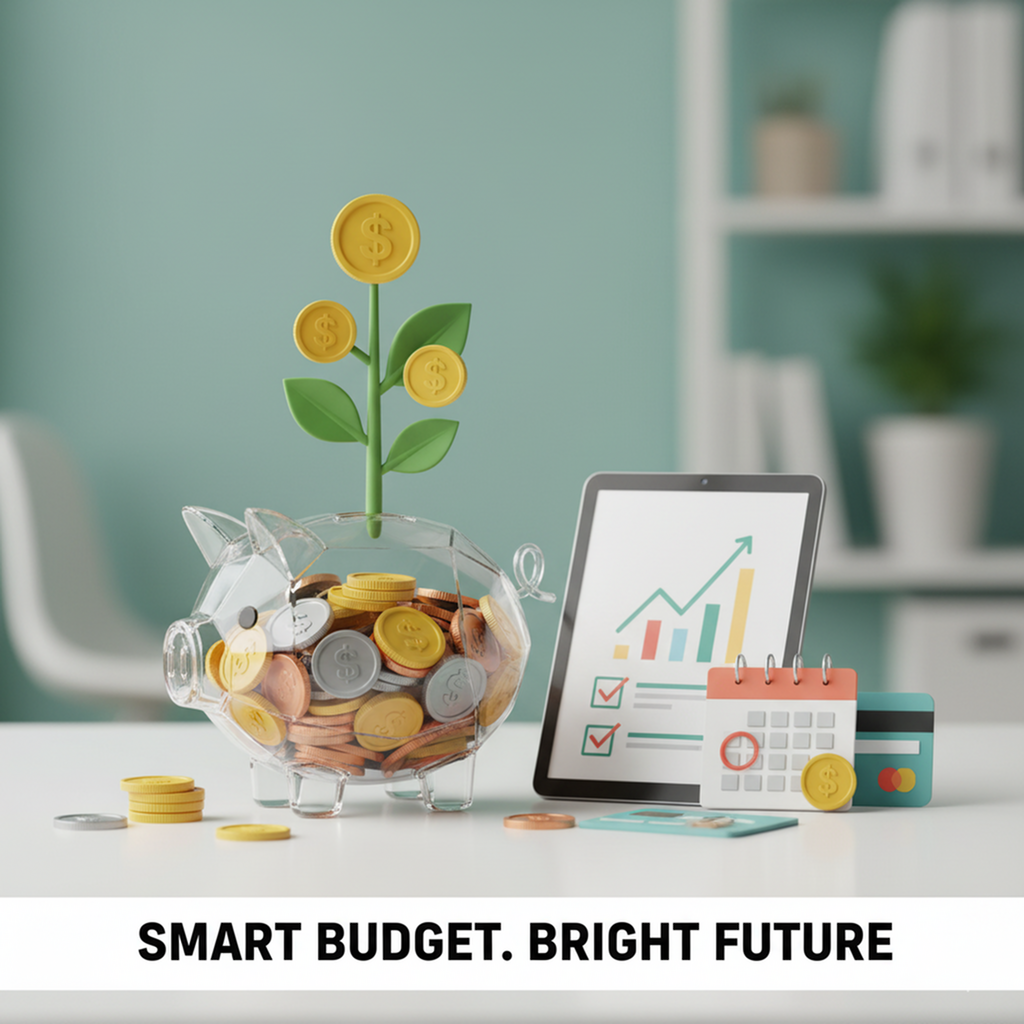
Creating and sticking to a budget is an essential skill for anyone looking to achieve financial freedom. Whether you're saving for a big purchase, planning a vacation, or simply trying to manage your expenses, a well-planned budget can make all the difference. In this blog post, we'll explore some simple steps to help you master the art of budgeting.
**Understanding Your Income and Expenses**
The first step in creating a budget is understanding your income and expenses. Start by calculating your total monthly income. This includes your salary, any side hustle earnings, and any other sources of income you may have. Having a clear picture of your income will help you determine how much you can allocate to different expenses.
Next, take a close look at your expenses. Categorize them into fixed expenses, such as rent or mortgage payments, utilities, and insurance, and variable expenses, like groceries, dining out, and entertainment. Don't forget to include any debt payments you may have, such as credit card or student loan payments. By listing all your expenses, you'll have a better understanding of where your money is going each month.
**Setting Realistic Financial Goals**
Once you have a clear understanding of your income and expenses, it's time to set some financial goals. These goals can be short-term, like saving for a new phone, or long-term, like buying a house or retiring comfortably. Setting realistic goals will help you stay motivated and focused on your budgeting journey.
To set effective goals, make sure they are specific, measurable, achievable, relevant, and time-bound (SMART). For example, instead of saying I want to save money," a SMART goal would be "I want to save $500 for a vacation in six months." This way, you have a clear target to work towards and can track your progress along the way.
**Creating and Sticking to Your Budget**
With your income, expenses, and goals in mind, it's time to create your budget. Start by allocating your income to cover your fixed expenses first. Then, distribute the remaining funds to your variable expenses and savings goals. Remember, it's important to prioritize your needs over your wants, so be mindful of your spending habits.
To stick to your budget, consider using budgeting tools or apps that can help you track your spending in real-time. These tools can provide insights into your spending patterns and help you make adjustments as needed. Additionally, regularly reviewing your budget can help you stay on track and make any necessary changes to meet your financial goals.
By following these steps, you'll be well on your way to mastering your budget and achieving financial freedom. Remember, budgeting is a skill that takes practice, so be patient with yourself and stay committed to your goals. Happy budgeting!